Explore our flagship standardized plant extracts, custom private-label solutions, and advanced skincare actives manufactured in full compliance with US cGMP guidelines.
Operating from our ultra-modern, cGMP-compliant facility in Norcross, Georgia, USA, Nutracap combines advanced analytical chemistry with flexible contract manufacturing to scale your brand efficiently.
Our operations follow strict 21 CFR Part 111 dietary supplement guidelines in Norcross, Georgia. Every production batch undergoes comprehensive identity, potency, heavy metal, and micro-organism testing.
From standardized botanical polyphenols to liposomal herbal tinctures, our in-house R&D chemists translate raw client concepts into highly stable, bioavailable, and commercialized finished formulations.
We streamline cross-border expansion by generating full documentation suites: Certificates of Analysis (CoA), Certificates of Free Sale, Halal certifications, and BSE/TSE-free declarations for international customs clearance.
Lower your capital risk when launching new product SKUs. We provide introductory production runs starting at 500 units for powders and 1,000 units for capsules, easily scaling to multi-million unit commercial batches.
Every raw herb, solvent, and excipient is tracked through integrated ERP lot logging. Batch manufacturing records (BMR) guarantee that every bottle leaving our factory line is 100% verifiable and audit-ready.
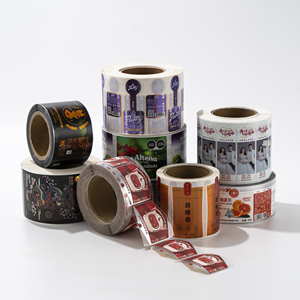
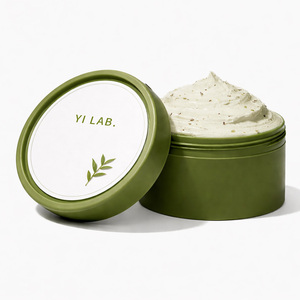
In-house graphic artists draft FDA-compliant Supplement Facts and Cosmetics labeling while our procurement team sources eco-conscious glass, recyclable HDPE, airless pumps, and tamper-evident neck bands.
The global market for botanical extracts and dietary supplements is undergoing a fundamental structural transition. Driven by modern pharmacological validation, stringent regulatory scrutiny from the US FDA and European EFSA, and an increasingly sophisticated end-consumer base, procurement executives can no longer rely on unstandardized raw plant powders or unverified overseas trading intermediaries. Establishing a resilient supply chain requires partnering directly with a top trusted herbal extracts manufacturer and contract factory equipped with advanced analytical testing capabilities, standardized bio-active extraction technology, and comprehensive cGMP quality systems.
Historically, botanical ingredients were commercialized as crude milled powders containing unpredictable concentrations of targeted secondary metabolites. Environmental variables—including seasonal rainfall, soil microbial health, harvesting maturity, and post-harvest drying protocols—result in batch-to-batch chemical variance exceeding 300% in wild-harvested biomass.
Modern nutraceutical, pharmaceutical, and cosmetic formulations demand strict phytochemical uniformity. High-capacity extraction facilities utilize sophisticated solvent fractionation, aqueous decoction, and solvent-free Supercritical Fluid Extraction (SFE) using carbon dioxide (CO2) to isolate and concentrate active markers. Key standardized compounds include:
By enforcing standardized high-performance liquid chromatography (HPLC) testing on every raw input, our Georgia-based manufacturing plant eliminates formulation volatility, ensuring that finished capsules, tablets, and topical creams deliver identical therapeutic active levels across every commercial lot.
| Extraction Method | Primary Solvents Utilized | Target Compound Yield | Residual Solvent Risk | Best Application Categories |
|---|---|---|---|---|
| Supercritical CO2 (SFE) | Supercritical Carbon Dioxide | High (Lipophilic Actives) | Zero (Solvent-Free) | Essential Oils, Hemp Cannabinoids, Astaxanthin |
| Hydro-Alcoholic Fractionation | USP Food-Grade Ethanol / Purified Water | Very High (Polar & Non-Polar) | < 5000 ppm (Complies with USP <467>) | Adaptogens, Polyphenol Powders, Herbal Tinctures |
| Pure Aqueous Decoction | Deionized Micro-Filtered Water | Moderate (Water-Soluble Compounds) | Zero (100% Aqueous) | Mushroom Polysaccharides, Water Cleansing Masks |
| Ultrasonic Assisted Extraction (UAE) | Aqueous Bio-Solvents | High (Preserves Thermolabile Molecules) | Zero Residuals | Cosmetics Actives, Enzymatic Fruit Extracts |
As brand managers and procurement directors map out their multi-year raw material sourcing strategies, four macro trends are reshaping how contract botanical manufacturing is evaluated:
Economically motivated adulteration (EMA) remains an ongoing challenge in the global botanical trade. Less reputable suppliers often dilute premium extracts with low-cost lookalike species (e.g., substituting Eleutherococcus senticosus for authentic Panax ginseng, or utilizing synthetic dyes to mimic berry anthocyanin levels). Leading contract manufacturers now integrate Genomic DNA Barcoding alongside HPTLC (High-Performance Thin-Layer Chromatography). This dual verification proves species authenticity down to the cellular level before raw material enters the blending chamber.
Because botanical plants naturally absorb minerals from agricultural soil, heavy metal contamination (Lead, Cadmium, Arsenic, Mercury) is a critical quality concern. Under US FDA regulatory standards and California Proposition 65 thresholds, finished products face severe penalties if trace metals exceed strict microgram daily dosage limits. Our testing protocols utilize Inductively Coupled Plasma Mass Spectrometry (ICP-MS) capable of detecting trace contaminants at parts-per-billion (ppb) sensitivity, alongside multi-residue pesticide screens covering over 400 agrochemical compounds.
Modern consumers actively audit the ethical footprint of their dietary supplements and skincare routines. Supply chain transparency is moving from a marketing novelty to a non-negotiable procurement requirement. Enterprise buyers require complete visibility into agricultural harvesting coordinates, non-GMO sourcing confirmation, fair-trade labor auditing, and solvent-free environmental extraction practices.
Standalone botanical powders are being superseded by engineered delivery platforms. Technologies such as micro-encapsulation, liposomal phospholipids, and exosome complexing drastically increase the intestinal absorption and bio-availability of poorly soluble phytochemicals (such as Curcumin, Resveratrol, and Quercetin). Formulating active botanicals alongside synergistic vitamins (such as Niacinamide or Vitamin C) amplifies cosmetic skin barrier repair and internal metabolic efficacy.
Building a successful global supplement or cosmetic brand requires navigating complex regulatory landscapes. Manufacturing within an FDA-registered, cGMP-certified facility in the United States grants brand owners an immediate authority advantage when entering domestic and international retail markets.
Compliance begins under 21 CFR Part 111, which dictates strict operational guidelines for identity testing of every dietary ingredient component, master manufacturing records (MMR), environmental monitoring of cleanroom air quality, and continuous sanitation verification. When expanding into foreign jurisdictions—such as the GCC region, European Union, or Latin America—importers face strict customs inspection protocols. Nutracap assists brand owners by producing comprehensive export dossiers containing:
Contract manufacturing is more than filling capsules or mixing liquids; it is an integrated engineering process. By uniting research chemists, graphic packaging designers, regulatory specialists, and automated high-speed filling lines under one roof in Georgia, Nutracap removes vendor fragmentation.
When a client initiates a custom formulation project, our R&D team analyzes chemical compatibility, bulk powder density, particle flowability, and target shelf-life stability. Whether executing low-MOQ market validation runs or high-speed continuous commercial scale-ups, our turnkey capabilities cover:
Everything you need to know about partnering with a contract herbal extract manufacturer, production minimums, quality testing, and international shipping.
Our minimum order quantities are designed to help growing brands scale efficiently. Private label standard catalog items start as low as 500 to 1,000 units depending on the delivery format (capsules, powders, or cosmetics). Fully custom formulations requiring specialized raw ingredient sourcing typically start at 1,500 to 3,000 units.
Every incoming raw material lot is quarantined in our USA facility upon arrival. Our Quality Assurance team performs strict identity testing using High-Performance Liquid Chromatography (HPLC), FTIR spectroscopy, and ICP-MS heavy metal screening. Raw materials are only released into production once they match our rigorous master specification sheets.
Once formula specifications, flavor profiles, and label artwork are finalized and approved, standard production turnarounds run between 4 to 6 weeks. Turnaround timelines may vary depending on whether custom raw materials require specialized overseas harvesting or long-term stability testing.
Yes. We specialize in clean-label manufacturing. We stock organic-certified botanical extracts, non-GMO rice-derived flow agents (replacing synthetic magnesium stearate or silicon dioxide), and 100% plant-based HPMC vegetable capsule shells to meet strict clean-label consumer demands.
Absoluely. Our regulatory team reviews all product packaging artwork to ensure Supplement Facts panels and Cosmetic Ingredient declarations adhere strictly to US FDA labeling requirements, font sizing, allergen disclosures, and structure-function claim guidelines before printing.
Yes. We regularly export Made-in-USA supplements and skincare lines to client distribution networks across 40+ countries. We issue batch-specific Certificates of Analysis (CoA), Certificates of Free Sale (CFS), Halal documentation, and origin statements necessary for smooth customs clearance.
Connect directly with our account executives and R&D formulation chemists in Georgia, USA. Receive a detailed unit cost breakdown, technical specification sheet, and sample kit tailored to your brand vision.
Contact Us