Directly connect with certified global contract manufacturing facilities offering turnkey private label solutions, low MOQs, and complete regulatory compliance documentation.
In an increasingly competitive global e-commerce and retail ecosystem, brand owners, pharmaceutical entities, and fast-moving consumer goods (FMCG) enterprises are progressively pivoting toward white label factories and specialized contract manufacturers to streamline operations. Sourcing finished or semi-finished formulations from established original equipment manufacturers (OEM) and original design manufacturers (ODM) allows brands to bypass capital-intensive infrastructure expenditures, compress time-to-market cycles, and focus resources on brand positioning and customer acquisition.
Modern white label contract manufacturing is no longer restricted to generic stock formulations. Today’s premier factories operate at the intersection of bio-engineering, advanced chemistry, regulatory compliance, and rapid prototyping. Whether sourcing high-purity dietary supplements, advanced cosmeceuticals enriched with salmon DNA exosomes, innovative oral hygiene formats like PAP+ toothpaste tablets, or high-definition vinyl adhesive label rolls for multi-tier regulatory compliance, enterprise buyers require a granular understanding of factory operational capabilities and quality assurance frameworks.
This industry report provides an exhaustive, data-driven evaluation of the top white label manufacturing hubs, comparing regulatory standards, production scalable thresholds, formulation IP parameters, and international logistics execution.
Strict adherence to 21 CFR Part 111 and Part 211 guidelines ensuring raw material identity testing, batch record integrity, and complete lot traceability.
Streamlined production workflows reducing standard turnaround times from concept approval to container shipment down to 4–6 weeks.
Integrated packaging engineering, Supplement Facts & INCI regulatory label validation, combined with full formula ownership protections.
Selecting the optimal contract manufacturing partner requires matching product complexity with factory specialization. Below is an analytical breakdown of the top 10 white label factory categories dominating global supply chains:
Specializing in dietary supplements, sports nutrition powders, encapsulated vitamins, and botanical extractions. Facilities based in North America (such as Georgia cGMP facilities) offer unparalleled regulatory trust, operating under strict FDA registration, NSF certifications, and comprehensive third-party lab testing. Ideal for brands targeting domestic clinical markets or international regions demanding high-trust "Made in USA" accreditation.
Leading the global anti-aging and skin regeneration sectors, Korean specialized bio-labs integrate cutting-edge actives including PDRN (Salmon DNA), Centella Asiatica extracts, and human/plant-derived exosomes. These factories excel at high-permeability serums, gold peptide formulations, and micro-encapsulation delivery systems.
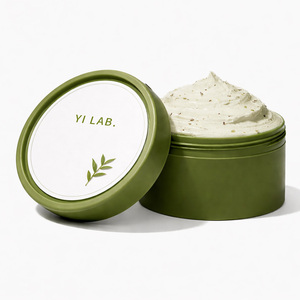
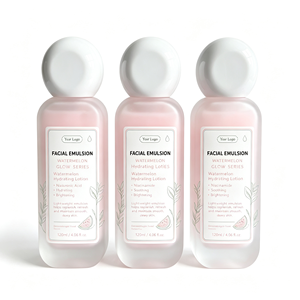
Automated cleanroom facilities engineered for botanical sheet masks, clay mud treatments, and organic oil-control emulsions. Emphasizing clean-label formulations with zero parabens, synthetic sulfates, or artificial fragrances, these plants utilize rose distillate, green tea polyphenols, and kaolin mud bases.
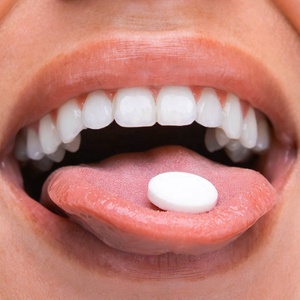
Responding to global sustainability mandates, specialized oral care plants have shifted toward waterless toothpaste tablets, PAP+ (Phthalimidoperoxycaproicacid) non-peroxide whitening formulations, and chewable oral hygiene delivery methods packaged in plastic-free aluminum or compostable blister packs.
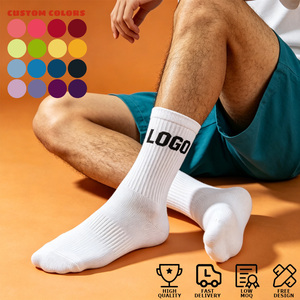
Industrial textile factories featuring advanced electronic Jacquard knitting machinery capable of weaving complex custom logos, variable-compression zones, and specialized combed cotton yarn matrices directly into performance sports socks and technical athletic wear.
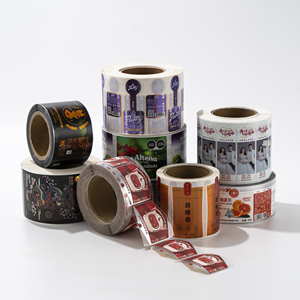
Specialized flexographic and digital printing plants producing commercial vinyl labels, waterproof adhesive rolls, tamper-evident shrink bands, and metallic foil labels. Engineered for high-speed automated bottling and packaging lines across the food, beverage, and cosmetic sectors.
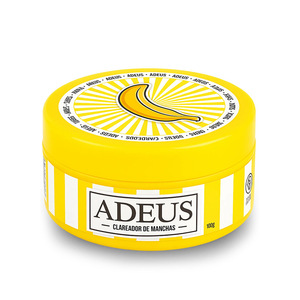
Specialty skincare formulators focusing on anti-hyperpigmentation, melasma reduction, and skin tone brightening. Utilizing synergistic complexes of fruit enzyme actives (e.g., banana extract blends), niacinamide, alpha-arbutin, and stabilized Vitamin C derivatives.
Large-scale dry powder facilities equipped with industrial ribbon blenders, V-blenders, and automated tub-filling lines. Capable of achieving uniform particle distribution for multi-ingredient protein blends, pre-workout matrix formulas, and instantized hydration electrolyte powders.
Pharmaceutical-grade liquid filling operations utilizing aseptic nitrogen flushing, amber glass dropper bottles, and sealed tamper-evident closures for sublingual herbal extracts, liposomal vitamins, and functional liquid drops.
High-volume confectionery plants adapted for nutraceutical dosage delivery. Utilizing vegan citrus pectin or traditional bovine gelatin matrices to produce precision-dosed gummy vitamins with high heat stability and controlled flavor masking.
When auditing potential contract manufacturing partners, institutional procurement officers must look beyond quoted unit prices to evaluate core operational and quality control infrastructure. Reliable white label factories maintain stringent protocols across four core operational pillars:
Every batch of raw ingredients must undergo FTIR identity testing, HPLC potency assaying, heavy metal screening (Lead, Arsenic, Cadmium, Mercury), and microbiological testing before entering production lines.
Master Batch Records (MBR) log exact temperature, humidity, mixing durations, and operator sign-offs, linking every individual bottle or pouch to specific raw material supplier lot numbers.
Seamless cross-border clearance requires complete documentation support, including Certificates of Free Sale (CFS), Halal certifications, BSE/TSE-free declarations, and FDA export certificates.
Furthermore, leading USA contract manufacturers, such as those operating out of Georgia, stand out by providing dedicated single-point-of-contact account management. Rather than navigating fragmented departments (sourcing, compliance, lab testing, shipping), enterprise clients benefit from streamlined project execution that prevents costly production delays.
The global white label and contract manufacturing sector is undergoing rapid evolution driven by shifting consumer values, regulatory tightening, and technological breakthroughs. Procurement executives should align their product roadmaps with the following macro trends:
Consumers are moving away from under-dosed bulk formulations toward scientifically validated, highly bioavailable ingredients. In skincare, salmon DNA exosomes, micro-encapsulated niacinamide, and liposomal delivery systems are replacing basic topical creams. In supplements, chelated minerals and instantized amino acid matrices dominate demand.
Driven by ESG mandates and shipping cost optimization, waterless formats are gaining massive momentum. Toothpaste tablets, concentrated emulsion bars, and solid powder-to-liquid formulas significantly reduce shipping weights and eliminate single-use plastics.
Traditional manufacturing required initial orders of 10,000+ units, creating high inventory risk for brand launches. Modern agile factories offer flexible pilot runs starting at 500 to 1,000 units for private label catalog items. This enables digital-native brands to conduct real-world market validation before scaling to full custom production runs.
Regulatory authorities including the US FDA, European Medicines Agency (EMA), and Asian regulatory bodies are enforcing stricter label claim verifications. White label packaging printer partners must ensure label artwork features fully compliant Supplement Facts panels, INCI ingredient listing accuracy, and scannable QR codes linking to third-party Certificates of Analysis.
Speak directly with our technical sourcing specialists to review your product specifications, request custom formulation quotes, or evaluate low-MOQ private label catalog options.