Explore our premium selection of ready-to-scale, cGMP compliant, and Halal certified formulations. Designed for rapid market integration with customizable packaging, full regulatory documentation, and low MOQs.
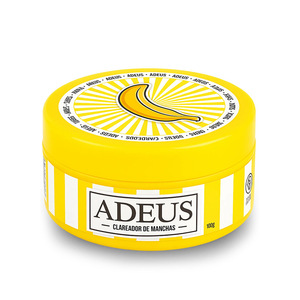
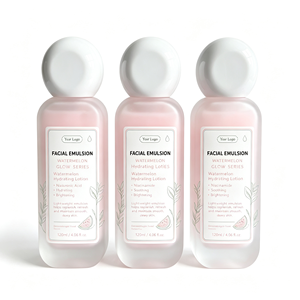
In the contemporary global B2B landscape, procurement directors, brand owners, and institutional buyers encounter a rapidly shifting paradigm. Consumer demand for clean-label, ethically produced, and strictly certified products has elevated Custom OEM Halal Certified Manufacturing from a niche specialized offering to an essential global benchmark. Navigating Halal compliance requires an intricate operational framework that intersects rigorous chemical analytical purity, supply chain auditing, and international jurisprudence governing Halal standards across ASEAN, the GCC, North America, and Europe.
True Halal certification transcends the simple exclusion of porcine derivatives or ethanol. From an engineering and raw material intake standpoint, a qualified Custom OEM Supplier must implement holistic systemic oversight. Every raw botanical extract, active cosmetic ingredient, capsule shell, processing aid, and packaging contact material undergoes rigorous identity and contamination verification.
When manufacturing complex delivery vehicles—such as two-piece hard shell capsules, micro-encapsulated powders, topical serums, or chewable oral tablets—the manufacturing matrix requires end-to-end auditability. Ingredients like stearic acid, magnesium stearate, glycerin, gelatin alternatives (such as HPMC or tapioca starch), and enzyme carriers must possess verifiable non-animal certificates of origin (CoC) and undergo Polymerase Chain Reaction (PCR) DNA testing to guarantee zero cross-contamination.
For enterprise buyers evaluating contract manufacturing partners, understanding the technical differences between traditional OEM production lines and specialized Halal-certified facilities is critical to brand safety and compliance assurance.
| Quality & Compliance Dimension | Standard OEM Contract Facility | Nutracap Halal Certified Enterprise Facility |
|---|---|---|
| Raw Material Intake Validation | Standard Certificate of Analysis (CoA) review for purity and heavy metals. | High-Performance Liquid Chromatography (HPLC) + FTIR verification + Halal Source Traceability Audit. |
| Capsule & Excipient Sourcing | Bovine/porcine gelatin blend standard; animal-derived lubricants allowed. | 100% Vegetarian HPMC, Tapioca, or Halal-Bovine certified with zero animal-byproduct lubricants. |
| Facility Cleanroom & Line Clearance | Standard sanitation sweeps between batch production runs. | ISO Class 8 Cleanrooms with validated sanitation protocols preventing cross-contact with non-compliant materials. |
| Ethanol & Solvent Thresholds | Standard FDA solvent residual allowances (varies by USP method). | Strict monitoring ensuring residual solvents remain below 0.1%, compliant with JAKIM & GSO guidelines. |
| Regulatory Documentation Pack | Basic Certificate of Analysis (CoA) and Packing List. | Full Export Dossier: CoA, Certificate of Free Sale, Halal Batch Certification, Lot Traceability Log, and FDA Registration. |
Operating out of our state-of-the-art facility in Norcross, Georgia, our organization blends two decades of technical expertise with agile contract manufacturing capabilities. By consolidating research, formulation, raw material procurement, blending, encapsulation, and custom packaging under one roof, we eliminate the friction points traditional brand owners face when working with fragmented supply chains.
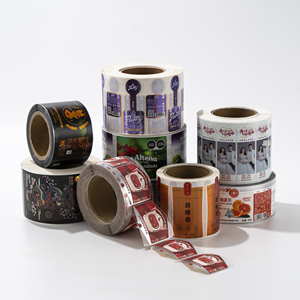
From initial custom formula design to bench sample approval, volumetric powder blending, encapsulation, bottle filling, label printing, and shrink wrapping, every phase is managed seamlessly in-house.
Our facility strictly adheres to Current Good Manufacturing Practices (cGMP) under 21 CFR Part 111 for dietary supplements and Part 701 for cosmetics, backed by comprehensive Master Batch Records (MBR).
We routinely assist clients with shipping Made-in-USA products to over 40 countries across Europe, the Middle East, Latin America, and Asia, providing Certificates of Free Sale and Halal documentation for customs clearance.
Every client is assigned a single dedicated point of contact who overseas project progression from raw material intake to post-delivery support, guaranteeing transparent and rapid communication.
We accommodate emerging private label brands with accessible minimum order quantities while possessing the automated industrial capacity to scale into millions of units for enterprise buyers.
Our regulatory graphic team designs and reviews your Supplement Facts and Cosmetic Ingredients panels to prevent costly labelling violations before printing occurs.
As procurement strategies evolve, purchasing managers must align with technological and regulatory shifts reshaping the contract manufacturing landscape over the coming decade. Our strategic analysis highlights four macro-trends driving global B2B procurement:
The global beauty and wellness market is shifting away from traditional synthetic ingredients toward biotechnology-derived active compounds. Advanced anti-aging solutions—such as Salmon DNA fragments (PDRN), plant exosomes, and bio-fermented niacinamide—are increasingly demanded in high-efficacy cosmetic formulas. In Halal OEM production, ensuring these advanced bio-tech actives are derived via non-animal fermentation processes and verified through DNA sequencing is becoming a mandatory requirement for premium brand positioning.
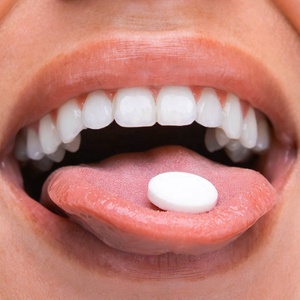
Sustainable procurement is no longer optional. Global retail buyers are enforcing strict environmental standards across supplier networks. The market is witnessing rapid adoption of chewable, waterless personal care formats (such as PAP+ toothpaste tablets), biodegradable sheet mask substrates, recyclable vinyl packaging films, and lightweight aluminum containers. OEM suppliers that integrate green chemistry with Halal manufacturing principles offer brands a distinct competitive edge.
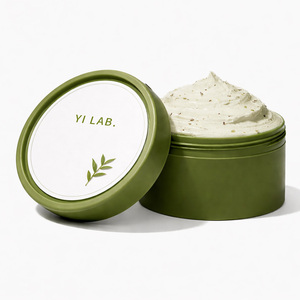
The convergence of oral dietary supplements and topical skincare—known as nutricosmetics—is generating significant market momentum. Formulations that combine ingestible collagen boosters, green tea antioxidants, and oral skin-brightening agents with topically applied serums (such as Centella and Vitamin C emulsions) allow brands to offer comprehensive dual-action wellness systems under a single certified Halal umbrella.
Modern buyers demand complete transparency from farm to shelf. Future Halal certification framework reliance will depend heavily on digital lot tracking. By archiving every raw material lot number, analytical testing CoA, and batch record on secure digital ledgers, OEM manufacturers provide enterprise partners with instant, tamper-proof documentation required by global customs authorities and discerning retail consumers.
Below are authoritative technical responses to common questions encountered by B2B sourcing agents, supply chain managers, and global brand owners during the vendor qualification process.
Halal certified manufacturing mandates strict adherence to Islamic dietary and hygienic principles audited by recognized governing bodies (such as JAKIM, MUI, or GSO standards). This requires 100% exclusion of porcine materials, animal-derived lubricants (e.g., non-Halal stearic acid), residual ethyl alcohol above specific thresholds (<0.1-0.5%), and verified non-cross-contamination protocols across equipment, storage containers, and cleanroom air systems.
Minimum Order Quantities depend on the target delivery format. For dietary supplements, encapsulation and tablet production typically start at 1,000 finished bottles, while custom powder blends start around 500 tubs. Skincare creams, serums, and sheet masks generally range between 1,000 to 3,000 units depending on specialized bottle tooling and packaging specs. Private label stock formulas feature lower entry points to assist growing brands.
Standard lead times for reorders or established private label formulations run between 4 to 6 weeks following approval of formula specifications, packaging components, and label artwork. Custom OEM projects involving novel raw material sourcing, specialized flavor matching, stability testing, or specific international Halal dossier registration may extend initial timelines by 2 to 3 weeks.
Yes. Every manufactured lot undergoes systematic quality control release testing. Finished goods are released alongside a comprehensive Certificate of Analysis detailing active ingredient potency assays, microbiological screening (E. coli, Salmonella, Yeast & Mold), heavy metal limits (Lead, Arsenic, Cadmium, Mercury), and physical parameter validations (disintegration, fill weight, viscosity).
Custom formulations engineered specifically for your brand remain your exclusive property. Confidentiality is safeguarded through Non-Disclosure Agreements (NDAs) signed prior to detailed formulation development. We maintain total separation between custom client IP and our house private label formula library.
Absoutely. Our regulatory department frequently prepares international export dossier packages. This includes providing official Certificates of Free Sale (CFS), GMP Certificates, Manufacturer Declarations, Halal Batch Certificates, and detailed ingredient breakdowns necessary to clear customs and fulfill local health ministry registrations in over 40 countries worldwide.
Speak directly with our formulation engineering and regulatory team today. Request a comprehensive project quote, review sample packaging, or discuss custom ingredient sourcing with zero obligation.