




Strategic Advantage Analysis: China Top Custom Packaging OEM/ODM Operations
In today's globalized consumer goods ecosystem, packaging is no longer merely a protective shell; it represents the ultimate physical touchpoint of brand identity, regulatory compliance, and product stability. As brand owners navigate increasing market fragmentation and stricter environmental mandates, securing a reliable, high-precision custom packaging factory in China has become a cornerstone of sustainable supply chain management.
Operating at the intersection of material science, advanced graphic printing, and automated structural engineering, China's top custom packaging suppliers offer unprecedented economies of scale combined with specialized flexibility. Our manufacturing infrastructure integrates raw material intake, identity testing, structural prototyping, barrier compatibility verification, high-speed rotogravure and digital printing, and automated pack-out within a single continuous quality management workflow.
Vertical Integration & One Account Manager
By keeping industrial structural design, tooling fabrication, bottle molding, foil laminating, and label printing under one roof, we eliminate vendor communication gaps. A single dedicated account manager coordinates your project from initial CAD drawing to customs clearance documentation.
Rigorous cGMP & Quality Assurance Protocol
Every packaging lot undergoes rigorous quality control including raw polymer density verification, ink adhesion rub-tests, drop testing, seal integrity burst testing, and heavy-metal migration analysis to comply with US FDA and EU REACH standards.
Full Lot Traceability & Certificate Support
Every single batch produced is issued a comprehensive Certificate of Analysis (COA) tied to lot numbers, raw material origins, and environmental batch records. We provide full dossier packs including Certificates of Free Sale for international customs clearance in over 40 countries.
Information Gain Insight: Packaging-Formula Interaction Dynamics
Selecting an improper packaging material can result in active ingredient degradation, moisture ingress, or organoleptic alteration. For cosmetic emulsions containing sensitive actives (e.g., Vitamin C, Niacinamide, Retinol) or nutraceutical dietary powders, our laboratory performs forced degradation stress tests and oxygen transmission rate (OTR) / water vapor transmission rate (WVTR) modeling before full-scale manufacturing.
Integrated Packaging & Manufacturing Production Environment
Below is a look inside our specialized packaging production lines, featuring cleanroom automated filling, custom powder blending setups, and high-precision label application systems.
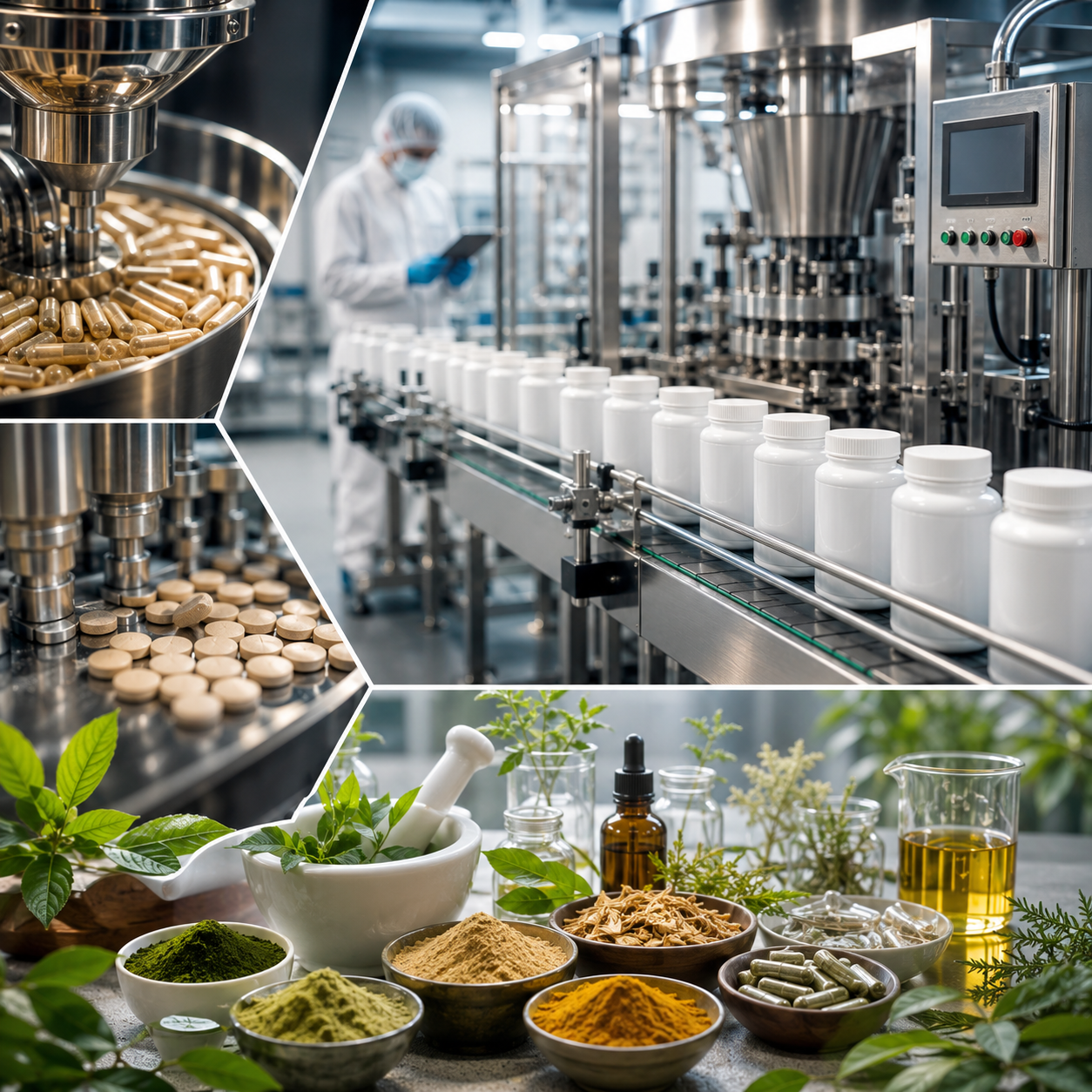
Automated Filling & Packaging
High-speed counting, capping, induction sealing, and exterior shrink-wrapping line.
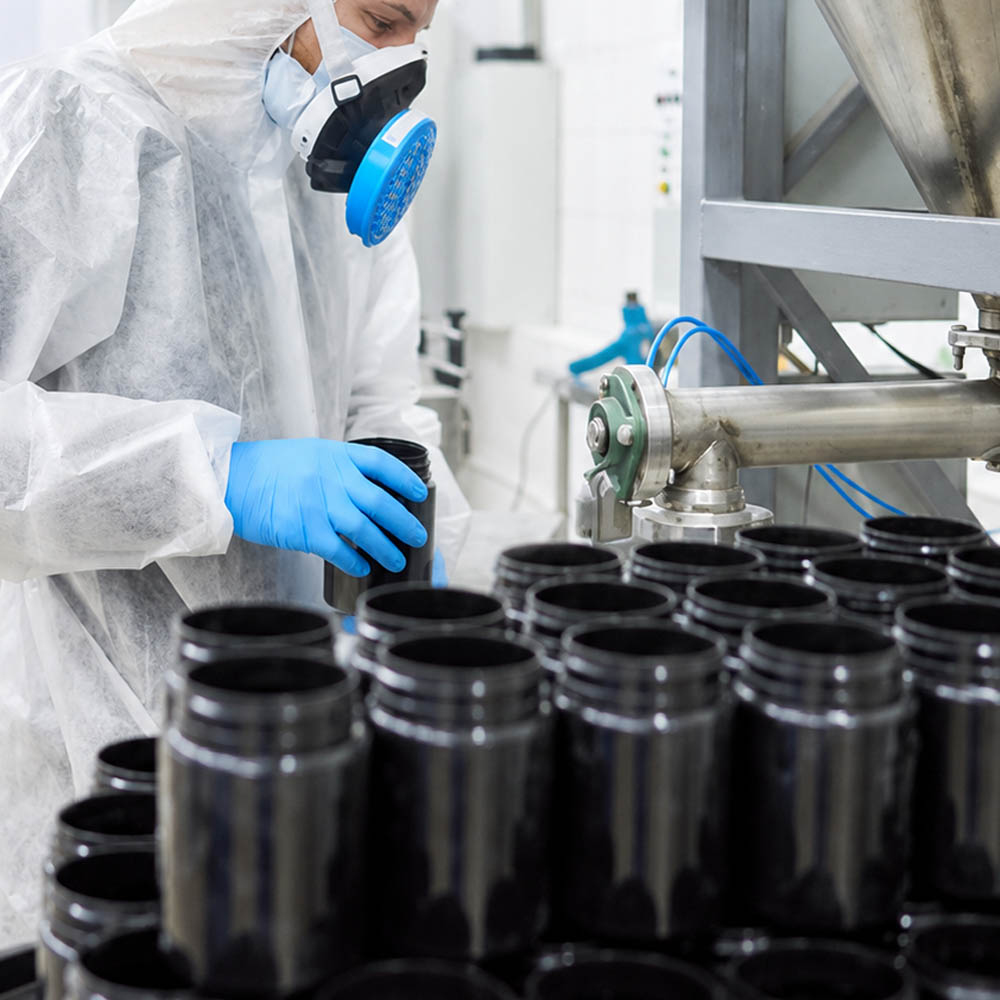
Controlled Cleanroom Operations
cGMP Class 100,000 cleanroom environments for cosmetic and food contact packaging.
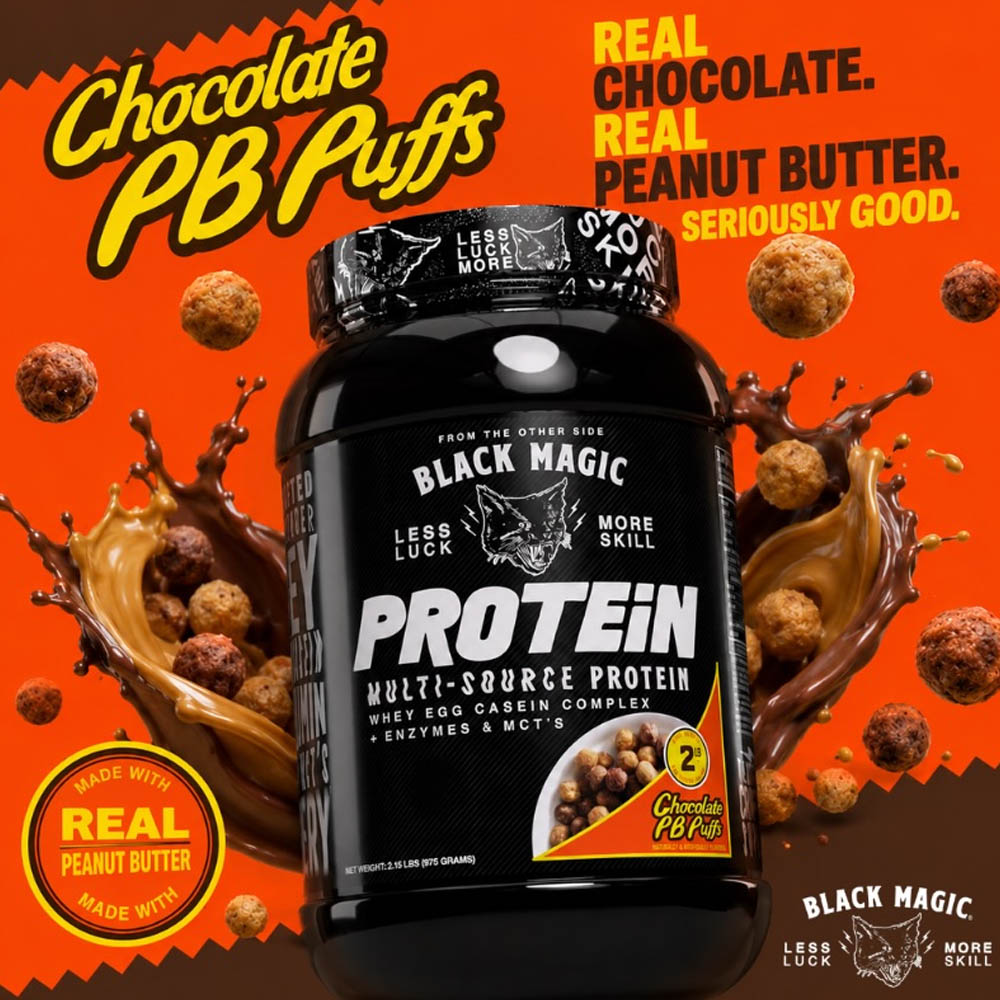
High-Impact Retail Design
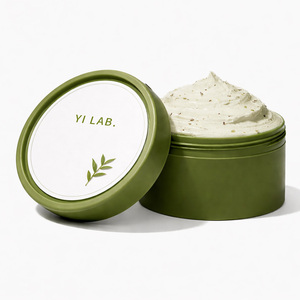
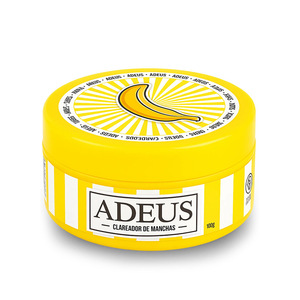
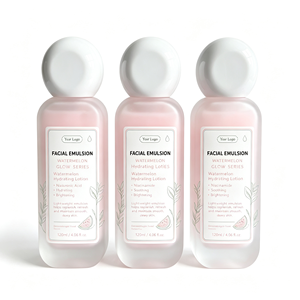
Foil-stamped, soft-touch matte finish containers engineered for Amazon and retail shelf standout.
Global Custom Packaging Development Trends (2025–2030)
Understanding market shifts is critical for brand managers and global buyers seeking to maintain competitive differentiation and regulatory compliance. Our research team has highlighted four macro trends shaping the global packaging landscape:
1. Transition to Circular & Mono-Material Recyclable Plastics
Traditional multi-layer flexible packaging often bonded incompatible polymers (e.g., PET/ALU/PE), making post-consumer recycling impossible. The market is aggressively transitioning toward mono-material PE and PP laminates and post-consumer recycled (PCR) resins. These next-generation barrier films match the oxygen and moisture resistance of traditional foil packs while enabling 100% circular recyclability.
2. Smart Packaging & Anti-Counterfeiting Integration
As global e-commerce expands, brand protection and supply chain transparency have moved to center stage. Modern custom packaging incorporates invisible dynamic QR codes, RFID tags, and tamper-evident micro-holograms directly into labels and cartons. This allows consumers to verify product authenticity with a smartphone scan while giving brand owners real-time inventory geolocation tracking.
3. Airless Dispensing & Active Ingredient Preservation
In personal care, cosmetics, and topical pharmaceutical formulations, the move away from traditional jar packaging toward airless pump bottles is accelerating. By creating a zero-vacuum delivery system, active botanicals, peptides, and unpreserved organic formulas are shielded from atmospheric oxygen contamination, extending shelf life by up to 40% without chemical preservatives.
4. Weight Reduction & Supply Chain Carbon Footprint Optimization
Rising transatlantic and transpacific freight costs have made package weight and cube-utilization critical profitability variables. Top suppliers are engineering ultra-thin wall rigid containers and space-efficient flexible pouches that minimize dead space in shipping cartons, drastically lowering carbon emissions and landing costs per unit.
Packaging Material Performance Comparison Matrix
The table below provides technical guidance on material selection based on barrier requirements, sustainability goals, and application types:
| Packaging Substrate | Moisture Barrier (WVTR) | Oxygen Barrier (OTR) | Sustainability Profile | Best Application Intent |
|---|---|---|---|---|
| Mono-Material PE Pouch | High | Medium-High | 100% Recyclable (Store Drop-off) | Food Powders, Oral Care Tablets, Bath Salts |
| PCR PET / Glass Bottles | Excellent | Excellent | Circular / Infinitely Recyclable | Cosmetic Serums, Dietary Liquids, Tinctures |
| Airless PP Dispenser | High | Very High (Zero Air Exposure) | Refillable / Recyclable PP | Organic Creams, Niacinamide Lotions |
| Alu/Foil High-Barrier Sachet | Superior (Near Zero) | Superior (Near Zero) | Energy Recovery / Specialty Recycling | Sheet Masks, Hydrating Emulsions, Single Doses |
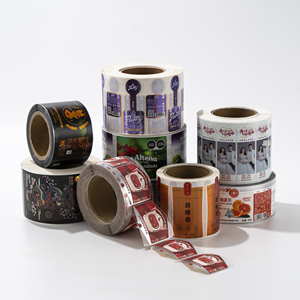
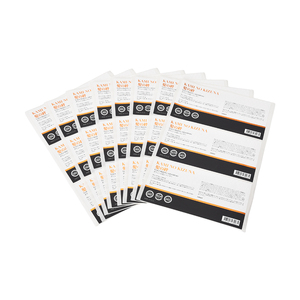
| Waterproof Vinyl Adhesive Roll | High Water Resistance | N/A (Surface Label) | FSC-Certified Options / Eco-Inks | Beverages, Wine & Beer, Jars & Outer Tubs |
Future Sourcing & Procurement Strategies for International Buyers
Navigating international custom packaging procurement requires a total cost of ownership (TCO) evaluation framework rather than focusing solely on initial unit piece rates. Leading purchasing directors apply the following four-step strategy when selecting factory partners in China:
- Audit Mold Ownership & Custom Tooling IP: Ensure that all custom mold charges (injection or blow molds) include explicit contractual IP ownership for your brand, preventing unauthorized factory re-use.
- Enforce Pre-Production Proofing Protocols: Require physical digital proofs or 3D mockups for artwork color verification (Pantone matching) and functional seal testing prior to full-run automated printing.
- Evaluate Low MOQ Validation Paths: Start new product lines with scalable low minimum order quantities (e.g., 500–1,000 units for digital label runs or stock container custom printing) to validate market demand before scaling to high-speed million-unit rotogravure runs.
- Harmonize Regulatory Labeling Standards: Ensure your packaging design team builds FDA Supplement/Nutrition Facts panels, INCI ingredient lists, net weight declarations, and barcode quiet zones into artwork proofs prior to mass production.