0%

Choosing among the 2026 Top Pre Workout Supplement Manufacturers requires more than comparing prices or colorful packaging. A reliable partner should demonstrate strong Pre-Workout Supplement Manufacturing systems, qualified staff, and consistent batch control. Manufacturing sites should follow recognized good manufacturing practices, maintain clean production zones, and document every ingredient movement.

Dr. Daniel Fabricant, a respected supplement regulatory expert and former FDA official, has emphasized, “Quality cannot be tested into a product; it must be built into the process.” That principle matters when reviewing caffeine, beta-alanine, creatine, electrolytes, flavors, and sweeteners. A dependable manufacturer should verify raw materials before production, confirm finished-product identity, and preserve traceable records from receiving to shipment.

Details reveal the difference. Ask for recent certificates of analysis, allergen controls, stability data, and independent testing procedures. Check whether the company can manage dosage accuracy across large and small batches. Some manufacturers offer impressive formulas but provide weak documentation. Others communicate clearly yet lack flexible production capacity.

No supplier is flawless.

That is worth admitting.

The strongest candidates usually balance scientific formulation, transparent sourcing, responsive communication, and practical quality assurance. They should also explain caffeine limits, label requirements, serving sizes, and storage conditions without making exaggerated performance claims. This guide examines manufacturers through those standards, while recognizing an uncomfortable truth: a polished website cannot replace verified evidence. The best partner is not always the largest factory. It is the company that consistently turns responsible specifications into safe, stable, and accurately labeled products.
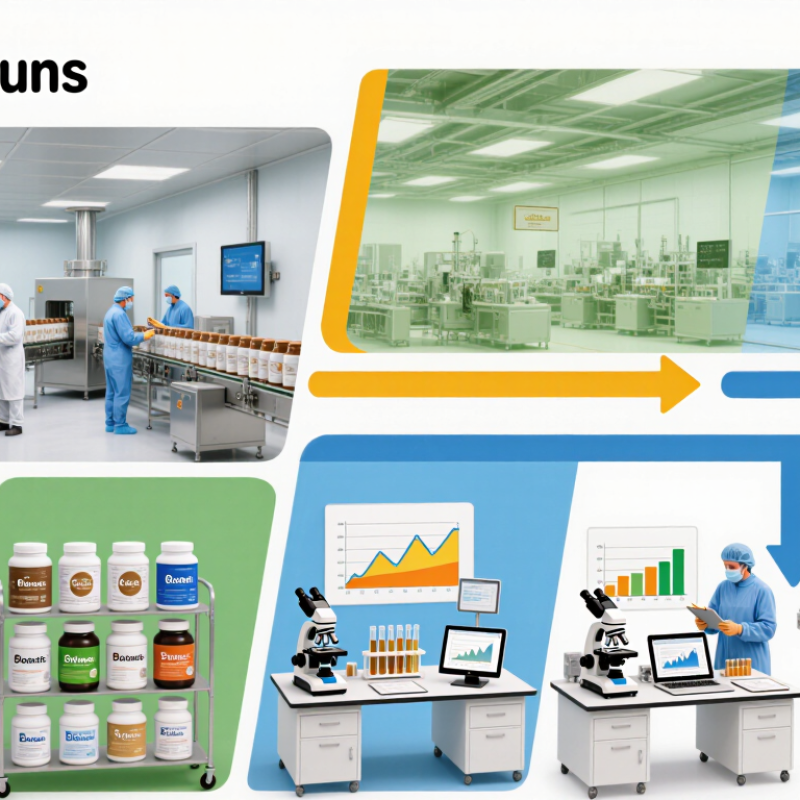
2026 Top Pre Workout Supplement Manufacturers

Definition and Role of Pre-Workout Supplements

2026 Top Pre Workout Supplement Manufacturers

Definition and Role of Pre-Workout Supplements

Pre-workout supplements are formulated products taken before exercise. They may contain caffeine, creatine, beta-alanine, carbohydrates, electrolytes, or nitrates. Their role is practical: support alertness, training output, perceived energy, or repeated effort. They do not replace sleep, food, or structured coaching.

Evidence differs sharply between ingredients. The International Society of Sports Nutrition reports that caffeine doses of 3–6 mg per kilogram may improve endurance, strength, and power in suitable adults. Timing commonly ranges from 30 to 60 minutes before training. The U.S. Food and Drug Administration states that 400 mg of caffeine daily is generally not linked with negative effects for most healthy adults. Individual tolerance still matters. More is not automatically better.

Creatine usually supports repeated high-intensity performance through daily use, rather than one dramatic pre-workout effect. Beta-alanine may improve high-intensity efforts after consistent intake, but tingling can feel uncomfortable. The Australian Institute of Sport places caffeine and creatine among supplements with strong evidence for selected athletes. Product quality remains a concern. Third-party testing can reduce contamination and labeling risks, though it cannot guarantee personal suitability. That distinction is often missed. People should check total caffeine intake, medication interactions, age restrictions, and medical conditions with a qualified professional. The evidence is useful, but never perfectly personal.

2026 Top Pre-Workout Supplement Manufacturers - Definition and Role of Pre-Workout Supplements

Representative evidence-based serving amounts for commonly used pre-workout ingredients

Pre-workout supplements are formulated to support energy, focus, blood flow, muscular endurance, and training performance. The chart shows commonly referenced serving amounts: caffeine for alertness, citrulline malate for blood flow support, beta-alanine for high-intensity exercise capacity, creatine for strength and power, and nitrate sources for nitric oxide-related exercise support. Actual formulas and individual requirements vary.

Key Ingredients and Their Performance Benefits

2026 Top Pre Workout Supplement Manufacturers are judged by more than flavor, packaging, or aggressive claims. The strongest manufacturers use transparent formulas with clinically studied ingredients and clearly stated amounts. Caffeine may improve alertness, training drive, and perceived energy. Its effect depends on tolerance, timing, and sleep quality. More is not automatically better.

Citrulline malate can support nitric oxide production and blood flow, which may help training volume and muscle “pump.” Beta-alanine may improve high-intensity efforts by increasing muscle carnosine levels. However, the familiar tingling sensation is not proof of better performance.

Creatine supports repeated power output and long-term strength gains, although it works through daily use rather than an immediate rush. Electrolytes can help athletes training in heat or sweating heavily.

Reliable manufacturers verify raw materials, test finished batches, and publish realistic serving information. Independent laboratory testing adds useful confidence. I look for caffeine totals from every source, allergen controls, and clear warnings for sensitive users. Some formulas still combine too many stimulants. That feels impressive, but it can complicate safety and evaluation. Individual response varies. A careful trial, adequate hydration, and a sensible serving size often reveal more than dramatic advertising.

How Manufacturers Develop and Test Pre-Workout Products

2026 Top Pre Workout Supplement Manufacturers

How Manufacturers Develop and Test Pre-Workout Products

Reliable manufacturers begin with a clear product brief, not a trendy ingredient list. Formulation teams define the intended use, serving size, flavor, stimulant level, and consumer warnings. They review scientific literature and applicable regulations before selecting ingredients. Analytical chemists then verify ingredient identity, strength, purity, and possible contamination.

Small details matter. A powder may clump after humidity exposure. A citrus flavor can hide bitterness but may change after storage. Manufacturers test pilot batches in controlled facilities, recording temperature, mixing time, moisture, and equipment conditions. Each batch receives a traceable code. Independent laboratories may confirm caffeine content, microbiological safety, heavy metals, and banned substances. Results should match written specifications.

Human testing requires more care than a simple taste panel. Qualified researchers use informed consent, appropriate screening, and monitored doses. Participants may report energy, focus, tingling, sleep changes, or stomach discomfort. A comparison group can reduce misleading conclusions. Safety monitoring must continue after the first session. That is not always convenient.

Quality teams also conduct stability studies using sealed containers stored under heat and humidity. They check potency, texture, flavor, and packaging performance at scheduled intervals. Manufacturers should investigate failed results rather than quietly retesting until numbers look acceptable. Mistakes happen. Poor documentation remains a choice. Some product claims may sound stronger than the evidence supports, so responsible teams revise wording when trial data is limited.

Leading Pre-Workout Supplement Manufacturers in 2026

Leading pre-workout supplement manufacturers in 2026 are judged by more than strong flavors and bold packaging. Experienced producers begin with clear ingredient purposes, accurate dosage levels, and stable manufacturing processes. Their facilities typically follow recognized quality systems, with batch records, sanitation controls, and trained production teams.

Reliable manufacturers test raw materials before blending them. They may verify identity, purity, moisture, and contamination risks through qualified laboratories. Finished products should also receive checks for potency, uniformity, and shelf stability. A useful detail is simple but important: every powder scoop should deliver a consistent amount, not a random dose.

Formulation teams increasingly consider caffeine tolerance, serving size, and ingredient interactions. They also provide transparent labels and practical usage directions. Responsible companies avoid unsupported promises about extreme performance or rapid body changes. Regulatory requirements differ across markets, so careful manufacturers review local labeling and advertising rules before distribution.

No formula is perfect. Some products may taste bitter or mix poorly. Others may feel too strong for new users. Manufacturers that collect customer feedback and investigate complaints show stronger professional judgment. Independent testing adds credibility, although testing claims should remain verifiable. Clear certificates, traceable batches, and accessible contact information help buyers make informed decisions without relying on exaggerated marketing.

Quality Standards, Safety, and Consumer Selection Criteria

2026 Top Pre Workout Supplement Manufacturers

Quality begins with evidence, not bright packaging. The Council for Responsible Nutrition’s 2024 Consumer Survey reported that 75% of U.S. adults use dietary supplements. That scale increases the need for disciplined manufacturing and clear communication. Serious manufacturers should follow current Good Manufacturing Practices, maintain traceable batches, and provide independent testing for identity, purity, and contaminants. A certificate of analysis should match the finished batch, not merely the raw material.

Numbers matter. The NIH Office of Dietary Supplements notes that caffeine can improve alertness and exercise performance, but responses vary widely. Consumers should check total caffeine from coffee, energy drinks, and supplements. Transparent labels should state serving sizes and disclose meaningful ingredient amounts. Proprietary blends make comparison harder. Labels can mislead. Third-party certification adds useful confidence, yet it does not replace medical judgment or careful dosing.

Selection also requires practical inspection. Look for sealed packaging, lot numbers, expiration dates, accessible test documentation, and a manufacturer’s adverse-event contact. Facilities should explain allergen controls and recall procedures without evasive language. FDA guidance is clear: dietary supplements are not approved for safety and effectiveness before marketing in the same way as medicines. That gap matters. I would not treat a clean label as proof of a perfect formula. Independent testing can miss problems between production runs, so recent batch records deserve attention. Consumers with heart conditions, medication use, pregnancy, or caffeine sensitivity should seek qualified clinical advice before use.

2026 Top Pre Workout Supplement Manufacturers - Quality Standards, Safety, and Consumer Selection Criteria

Evaluation Dimension Quality or Safety Benchmark Evidence to Request from a Manufacturer Consumer Selection Indicator Risk if Not Verified
Manufacturing Good Practices The facility should operate under applicable dietary-supplement good manufacturing practice requirements, such as the U.S. requirements in 21 CFR Part 111. Current regulatory registration or inspection information, documented quality procedures, batch records, sanitation procedures, and deviation or corrective-action records. Clear manufacturing-site information and a willingness to provide quality documentation under confidentiality. Higher probability of inconsistent production, contamination, incorrect labeling, or inadequate traceability.
Ingredient Identity Testing Every incoming active ingredient should be confirmed against an approved specification before use. Identity test methods, supplier qualification records, certificates of analysis, and acceptance specifications for each active ingredient. The label lists exact ingredient names and quantities rather than using only proprietary blends. Substitution with a different material or an ingredient that does not match the label.
Potency and Assay Control Finished products should be tested to confirm that declared active ingredients meet approved specifications throughout shelf life. Finished-product assay results, validated analytical methods, release specifications, and stability data. A transparent Supplement Facts panel shows the amount per serving for each active ingredient. Under-dosing, over-dosing, or declining potency during the stated shelf life.
Contaminant and Adulterant Screening Testing should address hazards relevant to the formulation, including heavy metals, microbial contamination, undeclared pharmaceutical substances, and prohibited stimulants where applicable. Risk-based test plans, laboratory reports, method detection limits, and corrective-action procedures for failed results. Independent testing is especially important for products used by competitive athletes or consumers sensitive to stimulants. Exposure to contaminants, undeclared pharmacologically active substances, or substances prohibited by sports organizations.
Laboratory Competence Analytical laboratories should demonstrate technical competence, preferably through accreditation to ISO/IEC 17025 for relevant testing scopes. Accreditation scope, laboratory name, test method, sample identification, result units, and report date. A certificate of analysis identifies the tested lot and does not rely solely on a generic template. Test results may be unreliable, incomplete, or unrelated to the purchased batch.
Caffeine Disclosure Total caffeine should be clearly declared when present, including caffeine contributed by individual ingredients or extracts where applicable. Formula documentation showing total caffeine per serving, serving-size controls, and warnings for stimulant-sensitive users. Avoid products that hide stimulant quantities in proprietary blends or use unclear stimulant terminology. Excessive stimulant intake, sleep disruption, increased heart rate, anxiety, or interactions with medicines.
Serving and Use Instructions The label should provide a defined serving size, directions for use, storage conditions, and relevant warnings. Approved label artwork, label-review records, maximum daily-use guidance, and documented change control. Choose products with transparent directions and avoid combining multiple stimulant-containing products. Accidental overconsumption or unsafe use with other supplements, beverages, or medications.
Allergen and Dietary Controls Allergen declarations and claims such as vegetarian, vegan, or gluten-free should be supported by controlled sourcing and production procedures. Allergen-control plan, cleaning validation, supplier declarations, and segregation or cross-contact controls. Review both the ingredient list and the facility or cross-contact statement. Allergic reaction or failure to meet dietary requirements.
Stability and Shelf Life Shelf life should be supported by stability studies under defined storage conditions, with packaging suitable for moisture- and oxygen-sensitive ingredients. Stability protocol, time-point results, expiry-date rationale, packaging specifications, and storage instructions. Check the expiry date, lot number, seal integrity, and storage instructions before use. Loss of potency, clumping, degradation, or microbial growth during storage.
Lot Traceability and Recall Readiness Each finished batch should be traceable from raw-material suppliers through manufacturing, testing, distribution, and customer complaints. Lot-number system, distribution records, mock-recall results, complaint logs, and documented recall procedures. The package displays a readable lot number and expiration date. Unsafe products may be difficult to identify, isolate, or remove from the market.
Independent Certification Voluntary certification can provide additional verification of manufacturing, testing, and label controls, but it does not replace regulatory compliance. Certification scope, current certificate, audit date, covered facility, and product or lot-testing requirements. Prefer certifications that publish clear standards and identify exactly what was assessed. A logo may create false confidence if its scope, validity, or testing requirements are unclear.
Claims and Regulatory Compliance Marketing claims should be truthful, appropriately substantiated, and consistent with the rules of the target market; dietary supplements should not be marketed as treating or curing disease. Label-claim substantiation, regulatory review records, and procedures for monitoring advertising and promotional content. Be cautious of guaranteed muscle gain, instant fat loss, disease-treatment, or “zero-risk” claims. Misleading expectations, inappropriate self-treatment, or unnecessary health risks.
Adverse-Event Monitoring A responsible manufacturer should maintain a system for receiving, investigating, documenting, and reporting serious adverse events as required by applicable law. Complaint-handling procedure, safety contact information, investigation records, and escalation criteria. Choose products with accessible customer-support and safety-reporting channels. Recurring safety problems may remain undetected or unresolved.
Consumer Suitability Product selection should consider age, pregnancy or breastfeeding status, cardiovascular conditions, caffeine sensitivity, medications, and total daily stimulant intake. Complete ingredient disclosure, contraindication warnings, and access to qualified medical or nutrition advice. Start with the lowest stated serving, assess tolerance, and consult a healthcare professional when risk factors exist. Adverse reactions or interactions that may be more serious in vulnerable users.
Selection note: Regulatory requirements vary by country. Third-party testing, transparent labeling, lot-specific documentation, and evidence-based quality systems should be evaluated together rather than treated as a substitute for professional medical advice.

FAQS

What makes a pre-workout manufacturer reliable?

Reliable manufacturers use transparent formulas, accurate dosages, and controlled production processes. They test raw materials and finished batches. Traceable records matter.

Which ingredients may support exercise performance?

Caffeine may improve alertness and training drive. Citrulline malate may support blood flow. Beta-alanine may support intense efforts. Creatine supports repeated power output through daily use.

Does more caffeine always produce better results?

No. More is not automatically better. Total caffeine includes coffee, energy drinks, and supplements. Tolerance, timing, and sleep quality change the response.

Is tingling proof that a formula works?

No. Beta-alanine can cause tingling, but that sensation does not prove better performance. The feeling may be noticeable without meaningful improvement.

What testing should consumers look for?

Look for raw-material identity, purity, moisture, and contamination checks. Finished batches should show potency, uniformity, and stability testing. Recent batch documents are more useful.

What details should appear on a product label?

The label should show serving size, ingredient amounts, caffeine totals, warnings, lot numbers, and expiration dates. Avoid unclear proprietary blends. Labels can mislead.

Who should seek professional advice before using pre-workout products?

People with heart conditions, medication use, pregnancy, or caffeine sensitivity should seek qualified clinical advice. Individual responses vary. Be cautious.

How should someone evaluate a new formula?

Start with a sensible serving and monitor energy, sleep, hydration, and stomach comfort. Training in heat may increase electrolyte needs. I would not judge effectiveness after one dramatic session.

Can independent testing guarantee a perfect product?

No. Independent testing adds confidence, but it cannot prove every production run is flawless. No formula is perfect. Check current batch information and complaint contacts.

Conclusion

This article explores the role of pre-workout supplements in supporting energy, focus, endurance, and training performance. It explains how ingredients such as caffeine, creatine, beta-alanine, citrulline, electrolytes, and vitamins may contribute to different exercise goals when used responsibly. Readers will also learn how manufacturers formulate, test, and refine products to achieve consistent flavor, ingredient accuracy, stability, and performance while considering serving size and consumer needs.

The guide reviews leading categories of Pre-Workout Supplement Manufacturing in 2026 without focusing on specific brands. It highlights the importance of quality control, transparent labeling, contaminant screening, responsible ingredient selection, and compliance with applicable safety requirements. The article also provides practical criteria for comparing products, including evidence-based formulas, clear dosages, manufacturing certifications, third-party testing, allergen information, and suitability for individual health conditions or caffeine tolerance. Together, these insights help consumers make informed, safe, and purpose-driven choices.


Clara

Clara

Clara is a dedicated marketing professional with a deep understanding of the company’s products, customers, and industry landscape. With a strong combination of strategic thinking, market insight, and clear communication, she helps translate complex product features into practical value for......