0%

Finding a reliable protein powder manufacturer requires more than comparing prices or choosing the most attractive website. Protein Powder Manufacturing involves ingredient control, formulation accuracy, testing, packaging, and careful documentation. A trustworthy partner should explain each stage clearly, from raw material intake to final batch release.

Look for verifiable experience with your product category, whether it involves whey, plant-based, or specialty protein formulas. Ask for current quality certifications, laboratory reports, certificates of analysis, and batch traceability records. These documents should identify protein content, microbiological results, allergens, heavy metals, and other relevant safety checks. The factory should also demonstrate clean production areas, controlled storage, calibrated equipment, and written quality procedures. Small details matter. A damaged seal or unclear lot code can create expensive problems later.

Do not rely on promises alone. Request samples and compare flavor, texture, solubility, label accuracy, and consistency across batches. Discuss minimum order quantities, lead times, packaging options, stability testing, and communication standards before signing an agreement. An audit, whether on-site or performed by an independent specialist, can reveal more than a sales presentation. Still, no supplier is perfect. Even experienced manufacturers may face delays, raw material changes, or formulation mistakes. The important question is how openly they report problems and correct them. A dependable manufacturer welcomes informed questions, provides evidence, and follows applicable safety and labeling requirements. Trust grows slowly. Choose documented performance over confident claims.
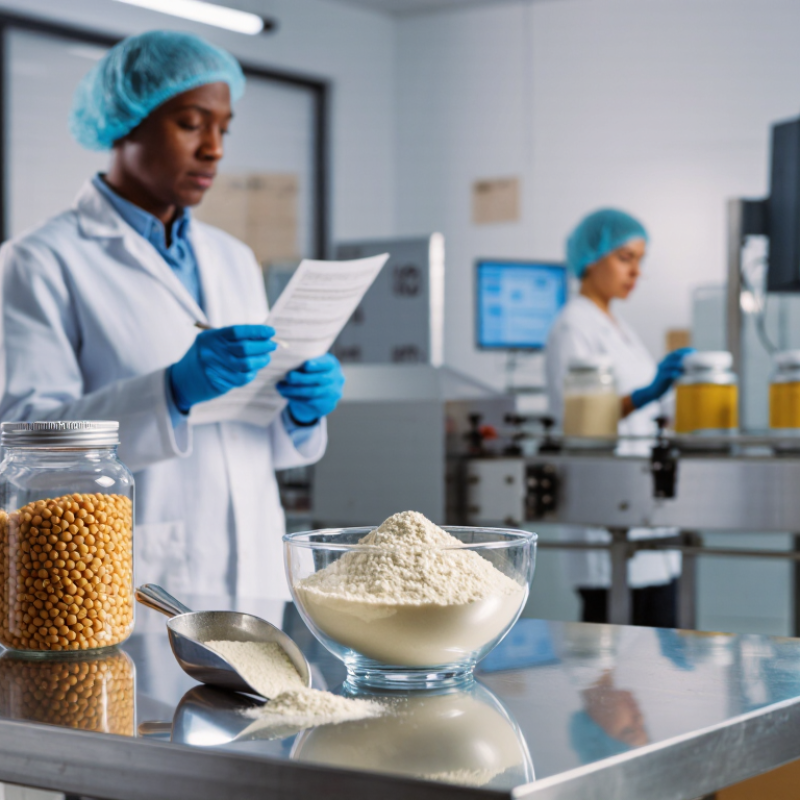
How to Find a Reliable Protein Powder Manufacturer?

Define Your Protein Powder Requirements and Quality Standards

A reliable protein powder manufacturer cannot choose your product requirements for you. Define them before requesting samples or quotations. Specify the protein source, target protein percentage, serving size, flavor, sweetener, and dietary claims. Decide whether the powder should mix in cold water, milk, or smoothies. Small details matter. For example, a vanilla powder may need fine particles and low moisture to prevent clumping during humid storage. Record the intended users, package size, shelf life, and expected monthly volume.

Quality standards should be measurable, not promotional language. Ask for specifications covering identity, purity, microbiological limits, heavy metals, allergens, moisture, and solubility. Request recent certificates of analysis for representative batches, not only a blank template. Check whether testing is performed by qualified independent laboratories when internal results seem unclear. During supplier discussions, ask how raw materials are approved, traced, stored, and released. A production visit can reveal practical habits, such as labeled containers, calibrated scales, and controlled cleaning records. Photos help, but direct evidence is stronger.

I would also compare a pilot batch with your written requirements. Measure scoop weight, mixing time, sediment, taste, and odor after opening. Keep samples from different lots. That comparison may expose a problem hidden by attractive packaging or a smooth sales presentation. Be careful with claims like “clean” or “premium”; they need clear definitions and supporting records. Your standard may need revision after testing. That is not failure. It is useful evidence for selecting a manufacturer who can deliver consistently.

Research Manufacturer Expertise, Facilities, and Production Capabilities

A reliable protein powder manufacturer should show more than attractive product samples. Examine its experience with your protein type, dosage format, and target market. Ask how long similar products have been produced. Request documented quality procedures, not vague promises. Skilled teams should explain mixing times, allergen controls, moisture management, and batch consistency in clear language.

Walk through the facility, if possible. Observe clean zoning, sealed ingredient storage, calibrated scales, and visible production records. Check whether raw materials are tested before use and finished powders are tested before release. The facility should have suitable blending, filling, metal detection, and environmental monitoring equipment. Confirm its production capacity, minimum order quantities, lead times, and backup plans. A large factory is not automatically reliable. It may struggle with smaller, customized batches.

Tips: Ask for recent certificates, sample test reports, and a traceability exercise. Verify whether each report matches the exact ingredient and batch. Speak with the quality manager, not only the sales representative. Request a pilot batch before signing a long contract. Small details matter.

Production claims deserve careful questioning. Can the manufacturer maintain the same texture at higher volumes? How are rejected batches isolated? What happens when a supplier changes an ingredient source? No checklist is perfect. I would also record unanswered questions, because hesitation may reveal operational gaps better than a polished presentation.

How to Find a Reliable Protein Powder Manufacturer?

Use a balanced due-diligence framework covering manufacturer expertise, facility controls, production capabilities, and quality systems. The weighting below is an illustrative 100-point evaluation model, not a ranking of any specific company or brand.

Verify Certifications, Testing Procedures, and Regulatory Compliance

How to Find a Reliable Protein Powder Manufacturer?

Certification checks should begin with scope, validity, and issuing authority. A certificate alone is not proof. Verify the facility’s current good manufacturing practice status under FDA 21 CFR Part 111, or the equivalent rules in your target market. Check whether the certificate covers protein powders, not unrelated products. The Council for Responsible Nutrition’s 2024 Consumer Survey reported that 75% of U.S. adults use dietary supplements. That level of demand makes quality controls more important, not less. Ask for audit dates, corrective-action records, and documented product traceability.

Testing must follow the finished batch, not just the raw material. Request a batch-specific certificate of analysis with matching lot numbers. It should show protein identity, potency, microbiological results, heavy metals, allergens, moisture, and stability data. Independent laboratories should hold ISO/IEC 17025 accreditation for relevant methods. Ask for the method names and acceptance limits. Do not accept “passed” without figures. Paper is not proof. A practical mistake is trusting a polished document without checking laboratory independence. Also review the manufacturer’s complaint system, recall procedure, environmental controls, and retained-sample policy. Regulatory compliance includes accurate labels and evidence for every nutrition or performance claim. Supplier audits and random retesting add useful protection, although they cannot replace technical judgment.

Compare Formulation Support, Minimum Orders, Pricing, and Lead Times

How to Find a Reliable Protein Powder Manufacturer?

Compare Formulation Support, Minimum Orders, Pricing, and Lead Times

A reliable manufacturer should offer more than a mixing service. Ask whether its technical team can adjust protein levels, flavors, texture, and serving size. Request sample formulas and explanations for each ingredient choice. Experienced teams should discuss allergen controls, stability testing, batch records, and certificates of analysis. They should also explain how they verify protein content. Vague answers deserve caution.

Minimum orders can shape your entire launch plan. A small pilot order helps test taste, packaging, and customer response before committing heavily. However, smaller quantities may carry higher unit costs. Compare pricing by reviewing formulation fees, testing charges, packaging, shipping, and revision costs. The cheapest quote is not always the most practical. I once focused too heavily on the unit price and underestimated packaging expenses.

Lead times must be written clearly. Ask about sample approval, ingredient sourcing, production, quality release, and delivery windows. A supplier promising seven days may exclude testing or ingredient delays. Look for realistic schedules and written change notifications. Reliability often appears in small details.

Tips: Request a sample timeline, a full cost breakdown, and two recent quality documents. Ask what happens when a batch fails inspection. Leave room for delays. Production rarely follows a perfect calendar.

How to Find a Reliable Protein Powder Manufacturer? - Compare Formulation Support, Minimum Orders, Pricing, and Lead Times
Manufacturer Profile Formulation Support Typical Minimum Order Indicative Bulk Price* Typical Sample Lead Time Typical First Production Lead Time Quality and Compliance Indicators Best Fit
Small-batch specialist
Suitable for pilot launches and market testing
Basic formula adjustment, flavor selection, sweetener options, and label review.
★★★☆☆
Approximately 100–300 kg per formula or flavor Approximately US$12–22 per kg for standard whey-based blends;
higher for premium or specialty proteins
Usually 1–3 weeks after receiving the specification and ingredient brief Usually 6–10 weeks after artwork, ingredients, and specifications are approved Request a current certificate of analysis, allergen statement, microbiological results, traceability records, and evidence of a recognized food-safety system Start-ups, limited releases, and products requiring low initial inventory
Standard contract manufacturer
A balanced option for established product concepts
Formula optimization, flavor matching, nutrition-panel calculations, ingredient sourcing, and stability guidance.
★★★★☆
Approximately 300–1,000 kg per formula or flavor Approximately US$9–18 per kg for conventional whey or plant-protein powders;
final pricing depends on protein content and packaging
Usually 2–4 weeks, including one or more sample revisions Usually 8–14 weeks, depending on packaging and raw-material availability Look for third-party testing, lot traceability, documented allergen controls, metal detection, finished-product testing, and a written change-control process E-commerce brands, gyms, retailers, and recurring wholesale orders
Large-scale production partner
Designed for predictable, high-volume demand
Dedicated technical team, pilot trials, process scale-up, sensory testing, cost engineering, and regulatory-document support.
★★★★★
Approximately 1,000–5,000 kg per formula or flavor Approximately US$6–14 per kg for high-volume conventional formulas;
lower unit costs may require longer-term commitments
Usually 3–6 weeks because of formal pilot and approval procedures Usually 10–20 weeks, with longer timelines for custom packaging or imported ingredients Verify an independently audited food-safety certification, validated cleaning procedures, environmental monitoring, recall procedures, supplier approval, and batch-release controls National retail, food-service supply, subscription programs, and forecast-driven purchasing
Specialty allergen-controlled facility
Focused on vegan, dairy-free, gluten-free, or other restricted formulas
Support with protein-system selection, allergen segregation, texture improvement, flavor masking, and claim substantiation.
★★★★☆
Approximately 500–2,000 kg per formula or flavor Approximately US$10–24 per kg, depending on protein source, certifications, and testing requirements Usually 3–6 weeks because of ingredient qualification and allergen-control review Usually 10–18 weeks, subject to certification and raw-material checks Confirm validated allergen-cleaning procedures, segregation controls, gluten or dairy testing where applicable, supplier documentation, and certification-scope details Allergen-sensitive products, vegan formulas, clean-label positioning, and specialized nutrition lines
Turnkey private-label supplier
Uses existing formulas and packaging options
Limited customization, pre-developed flavors, standard serving sizes, label templates, and packaging coordination.
★★★☆☆
Approximately 100–500 kg per stock formula;
custom formulas generally require higher quantities
Approximately US$8–20 per kg for standard formulas before freight, duties, and customization Usually 1–3 weeks for stock samples Usually 6–12 weeks for stock formulas and standard packaging Check whether the supplier or the actual manufacturing site holds the stated certifications, and request product-specific batch records rather than generic certificates Fast market entry, simple product ranges, and buyers prioritizing speed over extensive formulation work
Premium custom-formulation partner
For complex formulas and differentiated product claims
Advanced formulation development, clinical or sports-nutrition positioning support, ingredient compatibility testing, sensory optimization, and stability studies.
★★★★★
Approximately 1,000–5,000 kg per formula, with development fees often charged separately Approximately US$15–35+ per kg, depending on active ingredients, protein source, testing, and packaging Usually 4–8 weeks for a technically complex prototype Usually 12–24 weeks, including pilot production, testing, and regulatory review Request formulation ownership terms, ingredient evidence, stability data, contaminant testing, claim-support documentation, and a clear specification-approval workflow Premium sports nutrition, performance products, complex blends, and brands requiring strong technical differentiation

*Pricing note: The price ranges are indicative industry benchmarks for bulk protein powder and may exclude packaging, testing, freight, duties, taxes, formulation fees, and certification charges. Actual costs vary by protein source, protein percentage, ingredient origin, flavor system, order volume, packaging format, and destination market.

Evaluation tip: Before selecting a supplier, compare like-for-like quotations using the same formula specification, protein content, packaging format, delivery terms, testing requirements, and forecasted annual volume.

Evaluate Samples, Communication, Contracts, and Long-Term Reliability

How to Find a Reliable Protein Powder Manufacturer?

A reliable manufacturer should provide samples before discussing a large order. Request samples from the proposed production line, not only laboratory prototypes. Check flavor, mixability, texture, color, and packaging condition. Independent testing can verify protein content, moisture, microbiological limits, and contaminants. Compare the results with the manufacturer’s certificate of analysis. Small details reveal more.

Communication is equally important. Ask who handles technical questions, and record their response time. Clear answers should include production schedules, minimum order quantities, testing methods, and ingredient traceability. Vague replies create expensive surprises later. I have seen purchasing teams focus too much on price and ignore delayed answers. That decision often weakens quality control.

A detailed contract protects both sides. Define the formula, specifications, tolerances, packaging materials, batch records, inspection rights, and procedures for nonconforming goods. Include written approval for ingredient or process changes. Lead times should be realistic, with clear responsibilities for delays. A pilot order can reveal capacity problems before a long-term agreement begins. Review the manufacturer’s quality history, corrective actions, audit records, and backup production plans. Ask how they handled a failed batch. Their honesty matters more than a perfect story. Some suppliers may appear organized during sales discussions, yet struggle after payment. Regular performance reviews can expose this gap early. Reliability is demonstrated through consistent batches, accurate documents, and practical support over time.

FAQS

What should I check before choosing a protein powder manufacturer?

Review its experience with your protein type, dosage format, and target market. Ask how long similar products have been produced. Request written quality procedures, not general promises. Good teams explain mixing, allergens, moisture, and batch consistency clearly. Details matter.

What should I observe during a facility visit?

Look for clean production zones and sealed ingredient storage. Check calibrated scales, visible records, and controlled access areas. Confirm raw materials and finished powders receive documented testing. Suitable equipment may include blenders, filling machines, metal detection, and environmental monitoring tools. A large facility is not always better.

How can I verify production capacity and delivery reliability?

Ask about capacity, minimum order quantities, lead times, and backup plans. Confirm whether the facility can maintain texture during larger production runs. A small pilot order may reveal scheduling or capacity problems early. Record unanswered questions. Silence can be informative.

Which certifications and documents should I review?

Check each certificate’s scope, validity, issuing authority, and covered products. Confirm it applies to protein powders, not unrelated categories. Review audit dates, corrective actions, and traceability records. Certificates support confidence, but they are not complete proof. I would verify every document.

What should a batch-specific test report include?

Request a certificate matching the exact ingredient and batch lot number. It should include protein identity, potency, microbiological results, heavy metals, allergens, moisture, and stability data. Ask for laboratory methods and acceptance limits. “Passed” is too vague. Figures matter.

How should product samples be evaluated?

Request samples from the proposed production line, not only laboratory prototypes. Check flavor, mixability, texture, color, and packaging condition. Independent testing can compare protein content and contamination limits. Inspect the sealed container and powder appearance closely. Small details matter.

What communication habits suggest long-term reliability?

Ask who handles technical questions and measure response times. Clear replies should cover schedules, order quantities, testing, and ingredient traceability. Vague answers can create expensive surprises later. Price is not everything. I sometimes underestimated slow replies.

What should a manufacturing contract clearly define?

Specify the formula, tolerances, packaging materials, batch records, and inspection rights. Include written approval for ingredient or process changes. Define responsibilities for delays and procedures for rejected goods. Ask how failed batches are isolated and investigated. Honesty matters more than a perfect story.

Conclusion

Finding a reliable protein powder manufacturer begins with clearly defining your product requirements, including protein sources, flavor, texture, nutritional targets, packaging, and quality standards. A suitable partner should have proven expertise in Protein Powder Manufacturing, well-maintained facilities, scalable production capabilities, and experience handling products similar to yours. It is also important to verify relevant certifications, laboratory testing procedures, ingredient traceability, quality control systems, and compliance with applicable food safety regulations.

Before making a decision, compare each manufacturer’s formulation support, minimum order quantities, pricing structure, production capacity, and estimated lead times. Request product samples to evaluate taste, solubility, consistency, and overall quality. Pay close attention to communication speed, transparency, documentation, contract terms, and willingness to support future product improvements. A dependable manufacturer should provide clear expectations, consistent batch quality, responsive service, and a practical plan for long-term cooperation. Careful evaluation of these factors can help you select a trustworthy production partner and reduce risks throughout the product development process.


Elowen

Elowen

Elowen is a highly accomplished marketing professional dedicated to helping businesses communicate their value with clarity, purpose, and measurable impact. With a deep understanding of the company’s products, customer needs, and evolving market trends, Elowen brings together strategic thinking,......