0%

Choosing among the best China Dietary Supplement Manufacturing companies requires more than comparing prices or production capacity. It requires evidence.

A reliable partner should demonstrate strong GMP systems, qualified personnel, validated processes, and complete batch traceability. Buyers should examine how each factory verifies raw materials before production. A clear certificate of analysis is useful, but independent identity and contaminant testing provide stronger confidence. Inspect the storage area, too. Temperature logs, sealed containers, clean floors, and labeled quarantine zones reveal practical discipline.

Loren Israelsen, president of the United Natural Products Alliance, has emphasized a simple principle: “Quality is not an accident.” This idea remains important in Dietary Supplement Manufacturing. Quality depends on repeated controls, not attractive brochures or impressive machinery. A serious manufacturer can explain its formulation process, allergen controls, stability testing, packaging inspection, and recall procedures in specific terms.

There is no universally best factory. A company skilled in capsules may not be equally strong with powders, gummies, or liquid formulas. Some suppliers communicate well but lack transparent testing records. Others offer modern equipment but limited experience with international quality expectations. That gap deserves attention.

The strongest evaluation combines factory audits, technical discussions, sample testing, and documented performance history. Ask who owns the formula, who releases each batch, and how deviations are investigated. These questions may feel demanding. They are necessary.

A polished website proves little. Real confidence comes from consistent records, honest limitations, and products that perform reliably from one batch to the next.
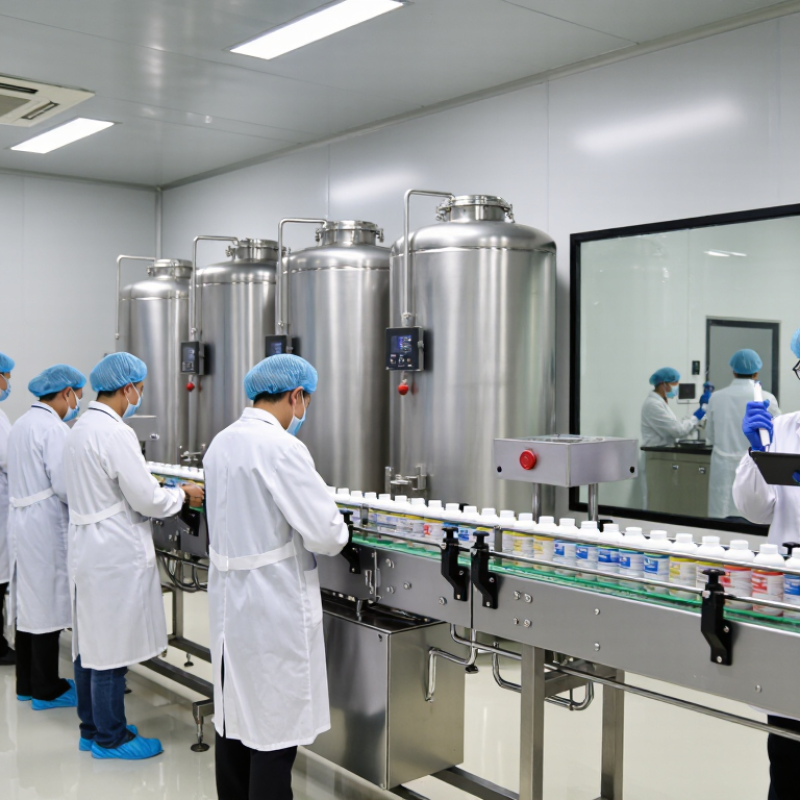
Best China Dietary Supplement Manufacturing Companies?

What Defines a Leading China Dietary Supplement Manufacturer?

What Defines a Leading China Dietary Supplement Manufacturer?

A leading China dietary supplement manufacturer offers more than competitive pricing. It controls every stage, from approved raw materials to sealed cartons. Grand View Research’s 2024 report valued the global dietary supplements market at approximately US$177.5 billion in 2023. That growth increases pressure on factories to prove consistency, not merely production capacity. Reliable manufacturers maintain GMP-based procedures, validated testing, and complete batch traceability. They should provide certificates of analysis, microbial results, heavy-metal testing, and stability data for each relevant formula. A polished website proves little. Auditable records matter more.

Tips: Request a recent third-party audit, sample batch records, and production photographs. Confirm whether laboratory methods match the destination market’s requirements. Ask how the factory handles supplier approval, allergen segregation, deviations, and product recalls. Small details reveal operational maturity. Also, review the label and claims with qualified regulatory professionals before production. China’s rules and export-market rules may differ, sometimes sharply.

Experience shows that communication is another quality indicator. Strong manufacturers explain limitations clearly, instead of promising every result. They discuss minimum order quantities, lead times, packaging tolerances, and realistic testing schedules. They also retain reference samples and investigate out-of-specification results systematically. Still, no audit is perfect. A factory may pass inspection while struggling during peak seasons. Therefore, ongoing batch reviews and independent verification remain sensible. The best partner is not always the largest facility. It is the one that can repeatedly deliver safe, documented, and legally compliant products.

The best partner is not always the largest facility. It is the one that can repeatedly deliver safe, documented, and legally compliant products.

Key Certifications and Quality Standards for Chinese Manufacturers

Best China Dietary Supplement Manufacturing Companies? Key Certifications and Quality Standards for Chinese Manufacturers

Choosing a Chinese dietary supplement manufacturer requires more than comparing prices. Certifications should match the product, market, and production site. ISO 22000 supports food safety management, while HACCP identifies hazards before they reach a finished batch. FSSC 22000 can add stricter requirements for supplier control, traceability, and verification. China’s applicable GMP requirements and national food safety standards also deserve careful review. Certificates matter. Their scope matters more.

The World Health Organization estimates that 600 million people develop foodborne illness annually, with 420,000 deaths worldwide. That figure explains why preventive controls cannot be treated as paperwork. A reliable facility should show recent audit records, calibrated equipment logs, environmental monitoring, and batch-level certificates of analysis. Test results should cover identity, microbiological limits, heavy metals, pesticides, and stability when relevant. Ask for laboratory accreditation, not only a printed report.

Codex Alimentarius guidance from the FAO and WHO emphasizes hygienic design, validated processes, and traceability. Those principles are useful when evaluating Chinese suppliers for export markets. I would also verify certificates through the issuing organization and inspect the exact factory address. A trading office may display a valid certificate belonging to another site. That happens.

The strongest supplier is not necessarily the one with the longest certification list. It is the one that explains deviations clearly, preserves retained samples, and supports an unannounced quality discussion. No certificate replaces technical judgment. Even experienced buyers can overlook formulation-specific risks.

Core Manufacturing Capabilities and Product Categories

Best China Dietary Supplement Manufacturing Companies?

China’s strongest supplement manufacturers usually combine flexible production with disciplined quality systems. Look for facilities operating under recognized GMP standards and documented quality procedures. Experienced teams should control raw material receiving, weighing, blending, filling, and packaging. Each stage needs clear records and trained supervision.

Core capabilities may include tablets, capsules, powders, gummies, liquid shots, and softgels. Some factories also support formulation development, flavor adjustment, pilot batches, and scale-up production. Product categories often include vitamins, minerals, botanical extracts, sports nutrition, probiotics, and everyday wellness formulas.

Reliable manufacturers can provide identity testing, microbial analysis, heavy metal screening, and stability data. Batch traceability matters when ingredients move through several suppliers.

Tips: Ask for recent test reports, facility certifications, minimum order quantities, and production lead times. Confirm whether testing is performed internally or by independent laboratories. Request a small pilot batch before committing to large volumes. Packaging compatibility deserves attention, especially for moisture-sensitive powders. No factory is perfect. Communication can still reveal weak documentation, unclear responsibilities, or unrealistic claims. A careful review is worth the extra time.

Customization, Formulation, Packaging, and Private Label Services

The best China dietary supplement manufacturing companies offer more than low production costs. They provide practical customization, tested formulations, flexible packaging, and dependable private label services. Buyers should review facility certifications, batch records, testing methods, and export experience before making a decision.

Customization begins with the product goal. A manufacturer may adjust dosage, flavor, capsule size, color, or serving format. Experienced formulators check ingredient compatibility, stability, solubility, and sensory quality. They should also explain which claims require scientific support. A clear specification sheet prevents costly misunderstandings.

Formulation quality needs evidence. Ask for raw material identity tests, contaminant screening, certificates of analysis, and stability data. Packaging options may include bottles, sachets, blister packs, or jars. Each format affects moisture protection, shelf life, and shipping costs. Private label support should cover artwork review, compliant labeling, pilot samples, and production approvals.

Details matter.

A reliable supplier communicates lead times honestly and reports deviations quickly. Factory audits can reveal hygiene practices, calibration routines, and traceability systems. However, no company is perfect. A smooth sample process may still hide delays during scale-up. I would test a small production run before committing to larger volumes. That extra step feels slower, but it can expose weak documentation, inconsistent texture, or packaging defects before they reach customers.

How to Evaluate and Select the Right Manufacturing Partner

Choosing among China dietary supplement manufacturing companies requires more than comparing quotations. Grand View Research estimated the global dietary supplements market at USD 177.5 billion in 2023. Fast growth increases pressure on factories, quality teams, and raw material supply. A low price may hide weak testing, unstable sourcing, or limited technical support.

Request current manufacturing licenses, GMP certificates, audit reports, and recent batch records. Check whether the facility controls weighing, blending, filling, and packaging under documented procedures. Ask for certificates of analysis, laboratory methods, sample retention policies, and contaminant testing. A serious partner should explain identity, potency, microbiological, heavy-metal, and stability controls clearly. It should also provide lot-level traceability within minutes, not after several emails. Short response times matter.

Visit the production site if possible. Look inside the warehouse, not only the reception area. Check sealed containers, humidity records, pest controls, and quarantine labels. Review how deviations, complaints, recalls, and change controls are handled. The 2024 Council for Responsible Nutrition survey reported that 75% of U.S. adults use dietary supplements, making consistent quality commercially important. Still, survey demand does not prove manufacturing reliability. I have seen polished documentation fail during practical checks. That risk deserves attention. Compare pilot batches, communication quality, minimum order quantities, lead times, and payment terms. Choose the partner that can defend each specification with evidence, not confident promises.

Best China Dietary Supplement Manufacturing Companies? How to Evaluate and Select the Right Manufacturing Partner

The chart presents a practical 100-point evaluation framework for comparing dietary supplement manufacturing partners in China. Quality and regulatory compliance receive the highest weighting because GMP systems, testing capability, traceability, and export documentation directly affect product safety and market access. Product development, production capacity, supply-chain reliability, cost transparency, and communication should also be assessed before selecting a partner.

Suggested evaluation weighting based on common supplement procurement and supplier due-diligence priorities; it is not a ranking of individual companies.

FAQS

What defines a reliable China dietary supplement manufacturer?

It controls sourcing, production, testing, packaging, and traceability. GMP-based procedures are important. Complete records matter more than a polished website. The manufacturer should provide clear evidence for every batch.

Which quality documents should buyers request?

Request GMP certificates, manufacturing licenses, audit reports, and recent batch records. Ask for certificates of analysis and stability data. Microbial and heavy-metal results are also important. Missing documents deserve careful questions.

How can buyers evaluate raw material controls?

Ask how suppliers are approved and monitored. Confirm identity testing before materials enter production. Review allergen segregation and quarantine procedures. Sealed containers and clear labels reveal practical discipline.

Which product formats can these manufacturers produce?

Common formats include tablets, capsules, powders, gummies, liquid shots, and softgels. Some facilities also develop flavors and formulas. Pilot batches can expose problems early. Scaling up is not always smooth.

How should buyers assess testing capabilities?

Confirm whether testing occurs internally or through independent laboratories. Review laboratory methods for the destination market. Ask about potency, identity, microbial, heavy-metal, and stability testing. A report without a clear method is weak evidence.

Why are pilot batches useful before large production?

Pilot batches test formulation, packaging, taste, and production consistency. They may reveal powder moisture problems. Packaging compatibility matters. A small failure is cheaper to correct.

What should buyers inspect during a factory visit?

Inspect the warehouse, not only the reception area. Check humidity records, pest controls, sealed containers, and quarantine labels. Review weighing, blending, filling, and packaging areas. The cleanest room may not show everything.

How important are communication and traceability?

Strong teams explain limitations, lead times, order quantities, and testing schedules clearly. They should locate batch information quickly. They must investigate deviations and out-of-specification results. Fast replies help. They do not prove everything.

Is the largest manufacturer always the best choice?

Not necessarily. A suitable partner repeatedly delivers safe, documented, and compliant products. Compare pilot results, records, communication, payment terms, and lead times. No audit is perfect. Ongoing batch reviews remain sensible.

Conclusion

Choosing the best China Dietary Supplement Manufacturing partner requires more than comparing prices. A leading manufacturer should demonstrate strong quality management, transparent production processes, reliable communication, and the ability to meet applicable international safety and regulatory standards. Important certifications, testing procedures, traceability systems, and responsible sourcing practices can help confirm that a supplier is committed to consistent product quality.

Manufacturing capabilities are equally important. The right partner should offer a broad range of supplement formats and ingredients, along with professional formulation support, customization, packaging, labeling, and private label services. Businesses should evaluate a manufacturer’s production capacity, research and development expertise, minimum order requirements, quality control procedures, lead times, and after-sales support. By reviewing samples, documentation, factory qualifications, and communication efficiency, buyers can select a dependable partner that supports product innovation, market compliance, and long-term growth.


Elowen

Elowen

Elowen is a highly accomplished marketing professional dedicated to helping businesses communicate their value with clarity, purpose, and measurable impact. With a deep understanding of the company’s products, customer needs, and evolving market trends, Elowen brings together strategic thinking,......